PEA Mission Project - Bringing Clean Water to Shiringamazú
What We Accomplished
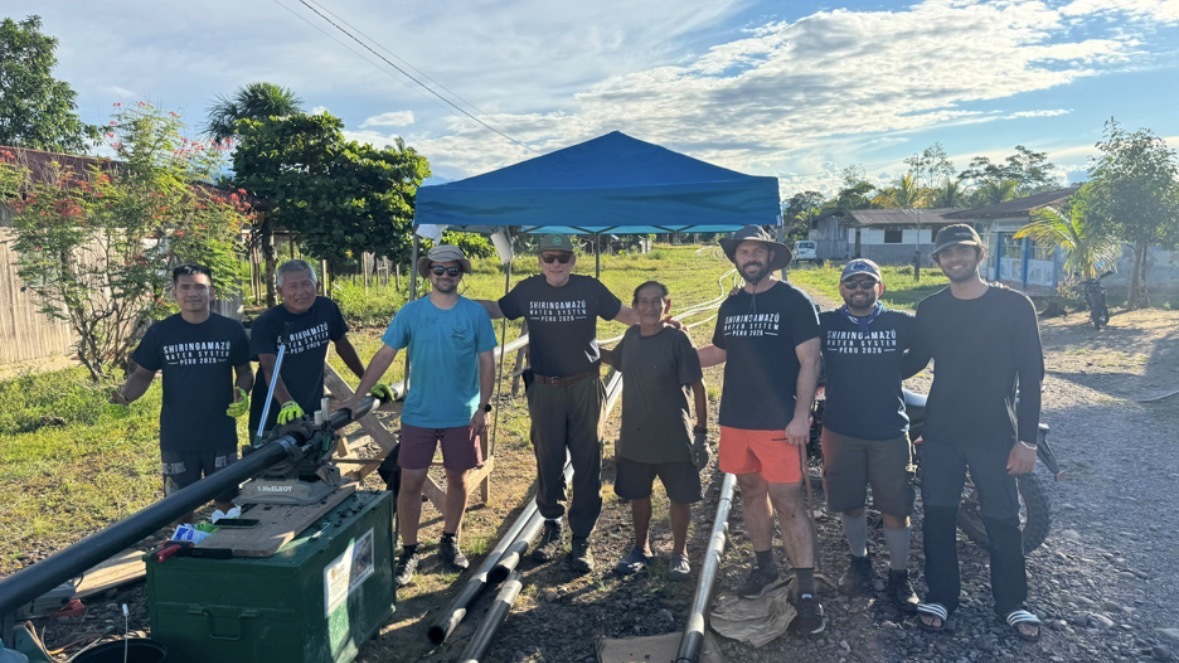
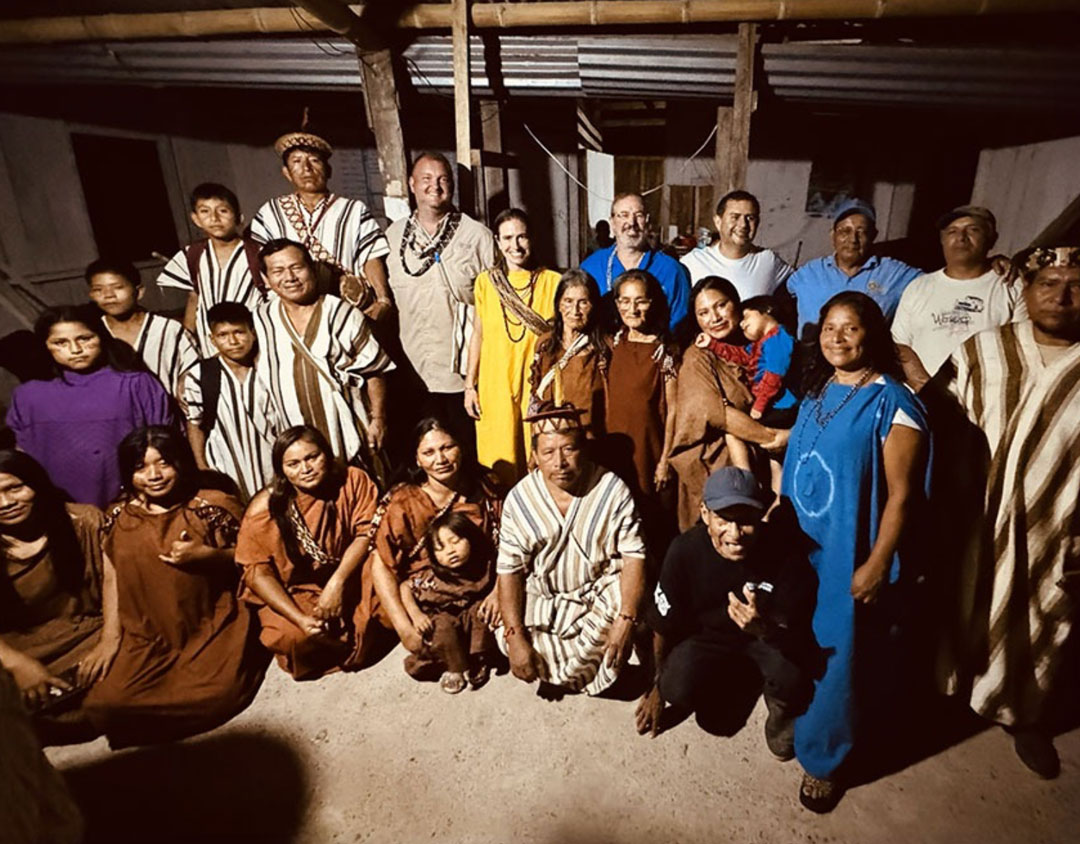
This past July, the Alliance for PE Pipe, in partnership with Engineers Without Borders, went to work in Shiringamazú, a remote village of approximately 500 people deep in the Peruvian Amazon, to build a clean water system from the ground up. After years of planning and months of preparation, our teams spent four weeks on the ground turning that vision into something real.
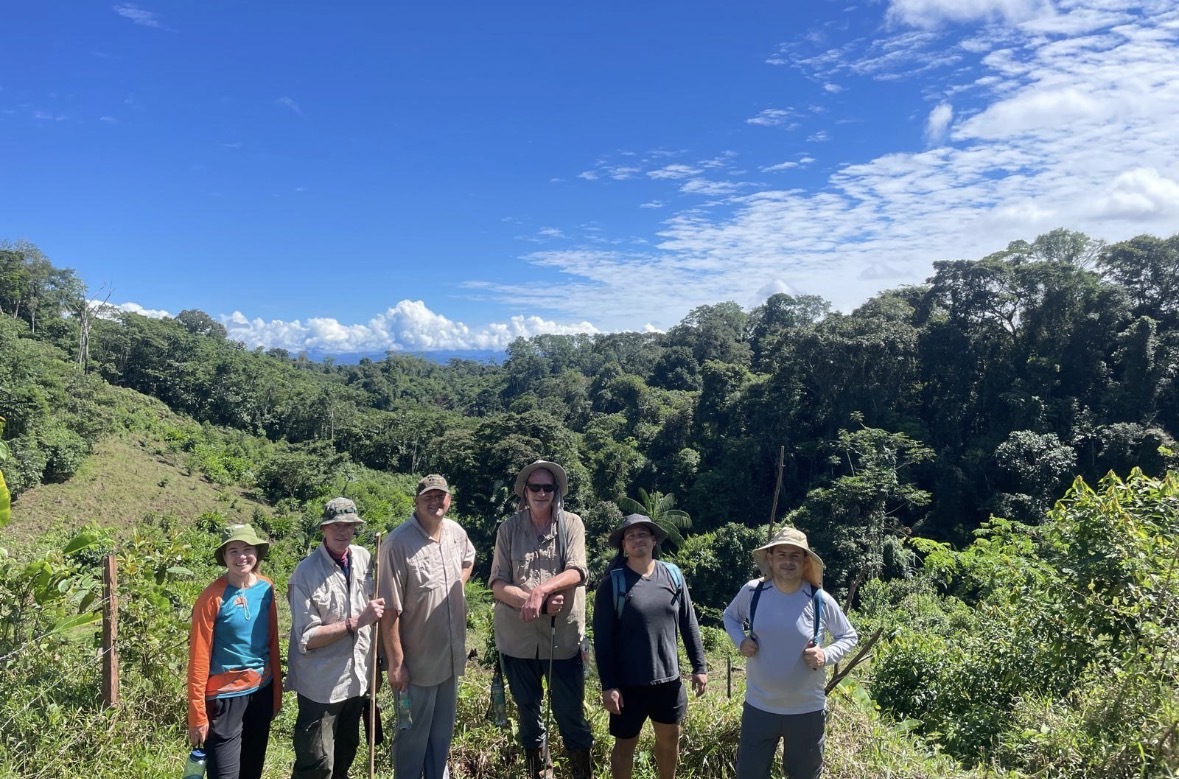
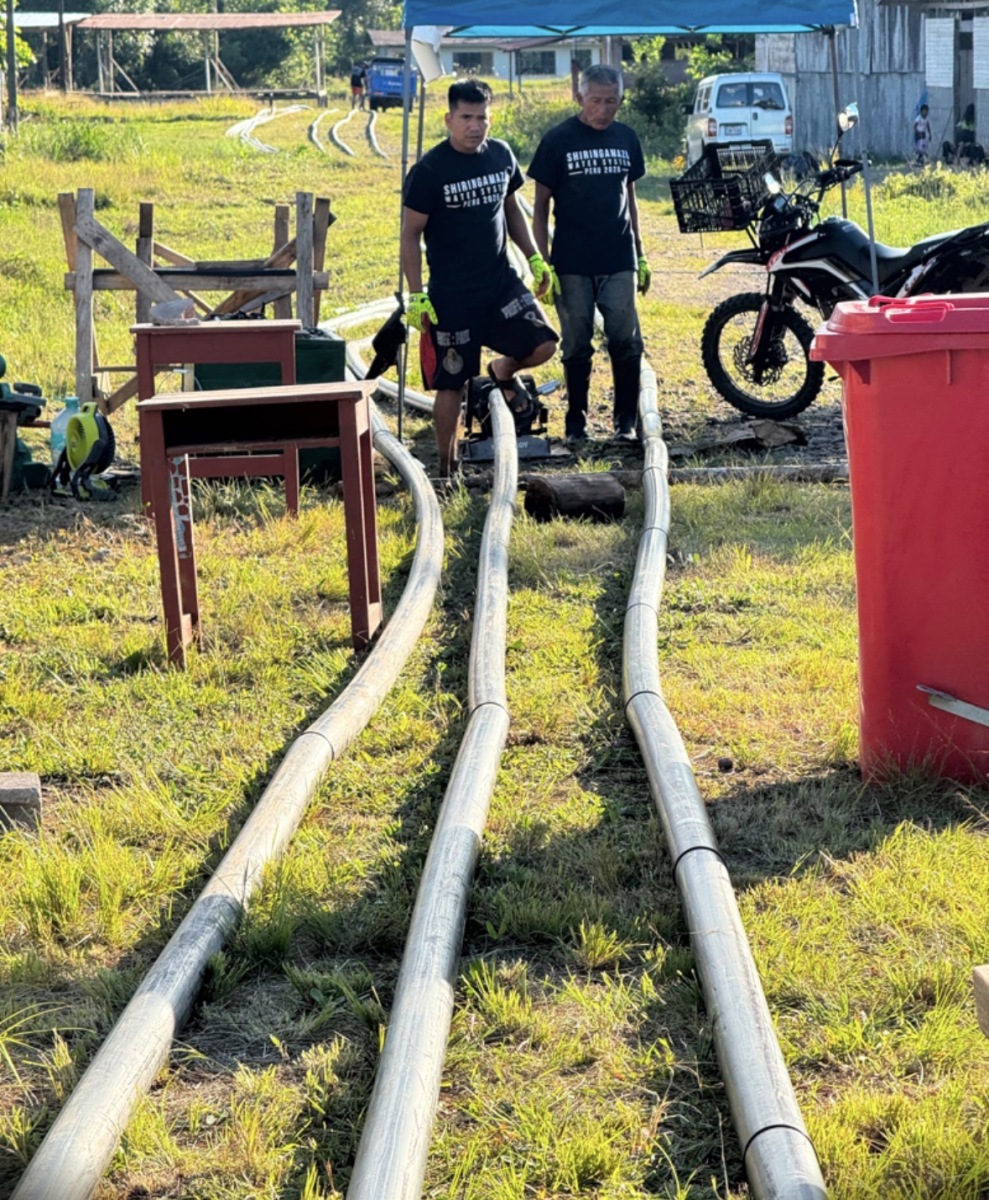
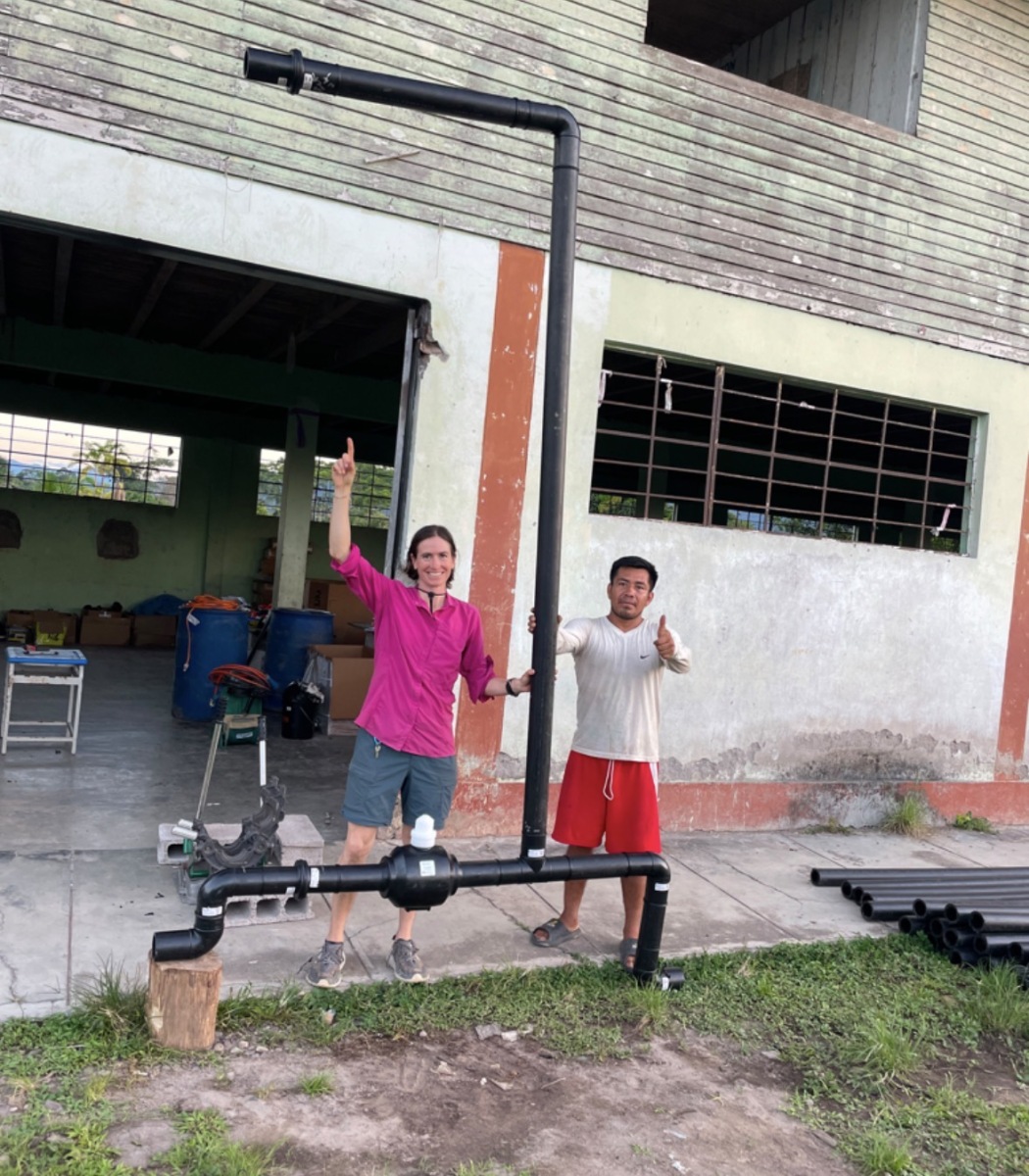
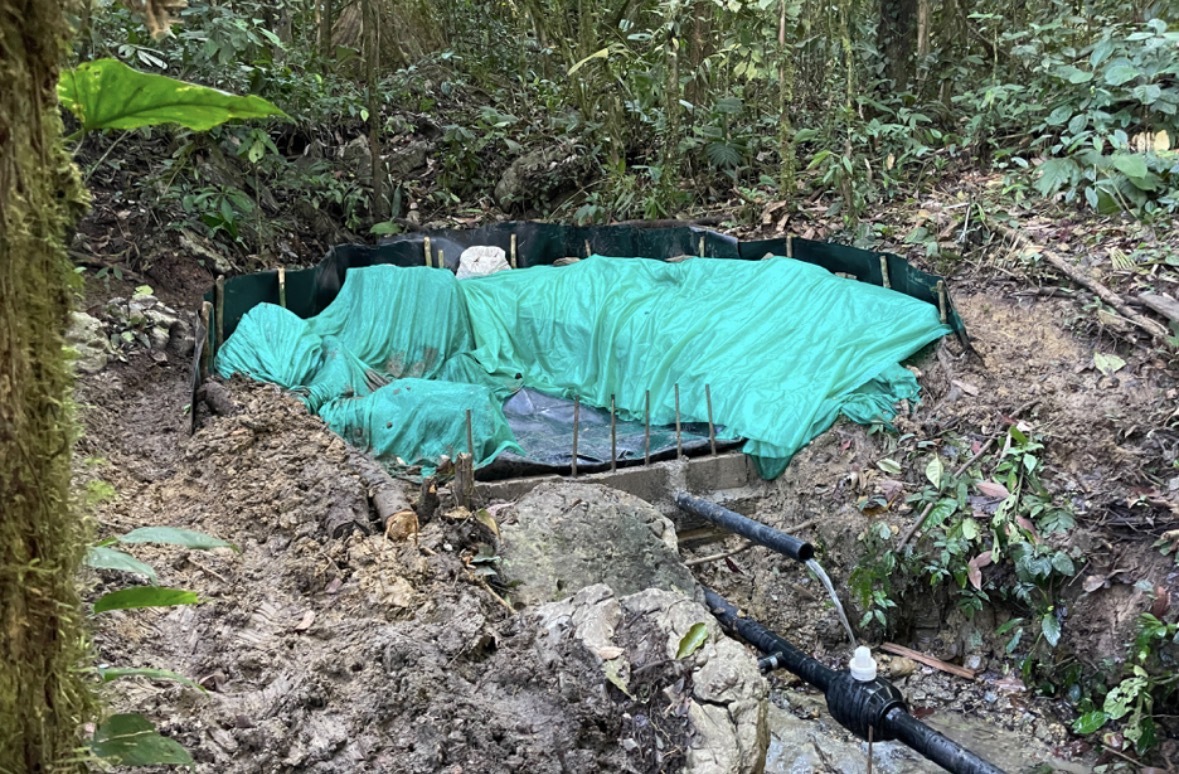
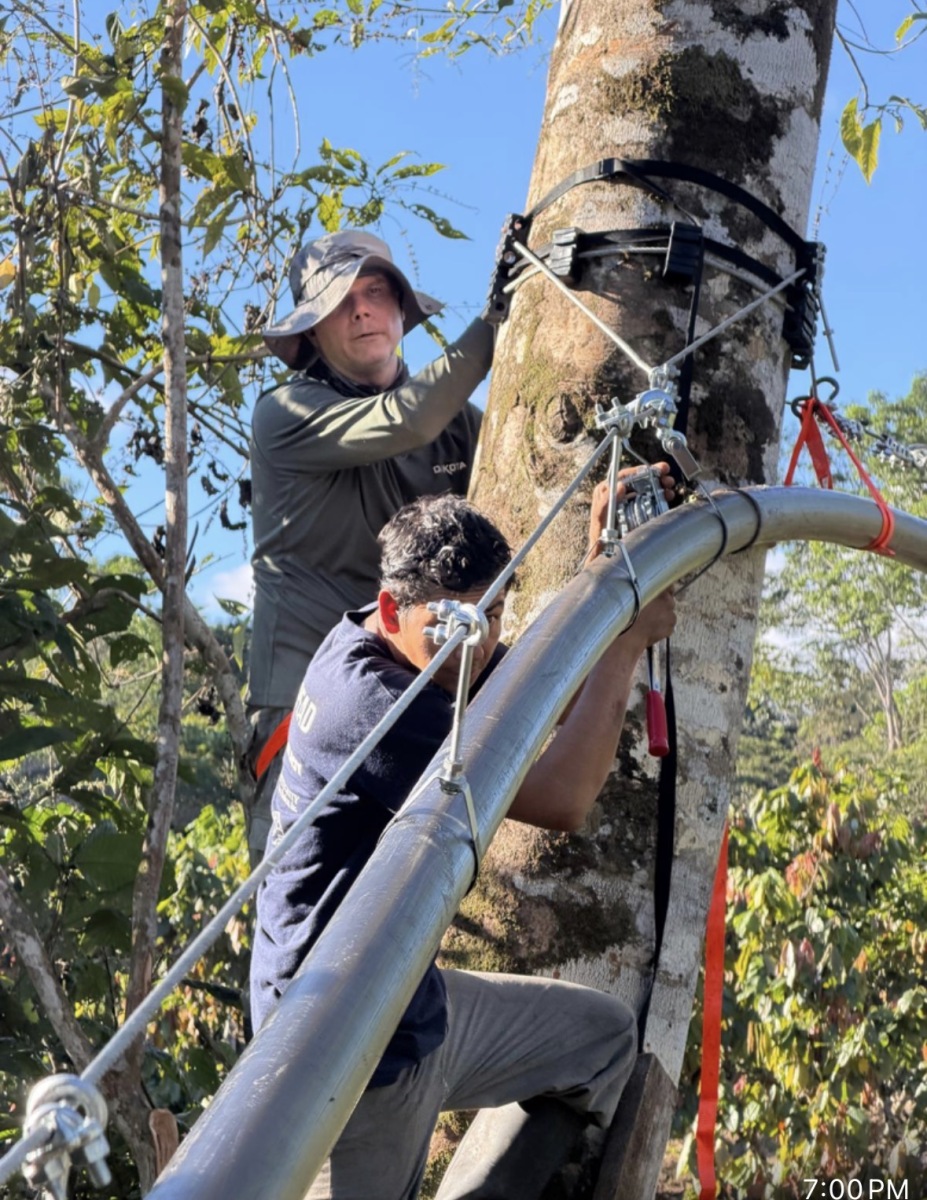
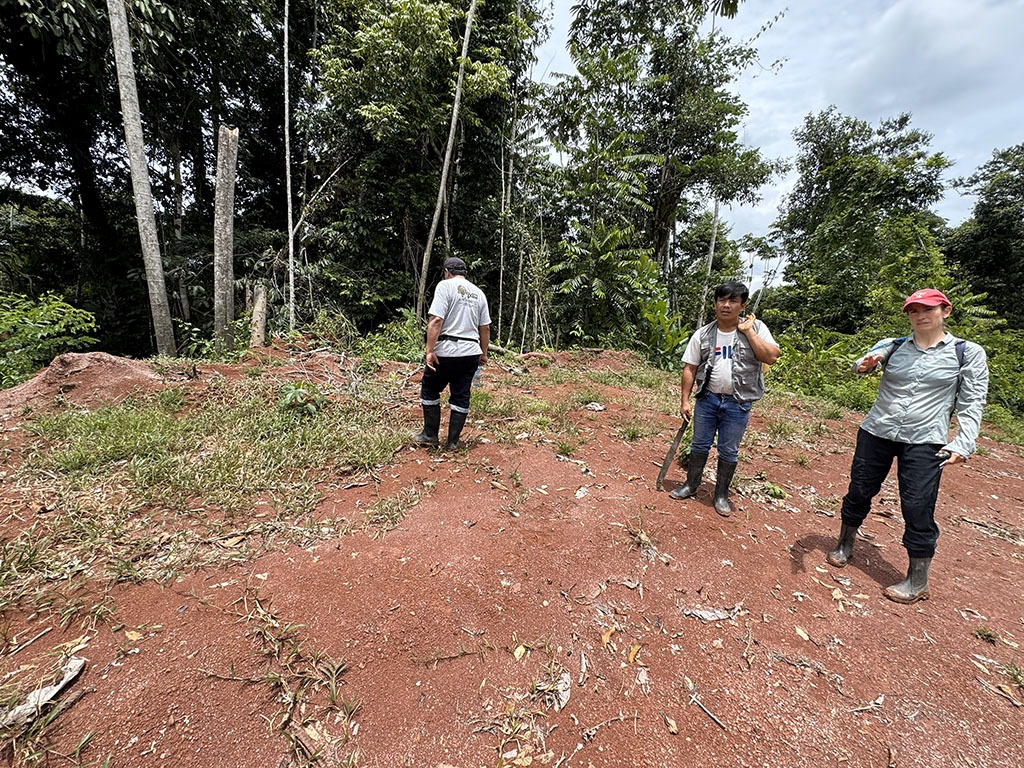
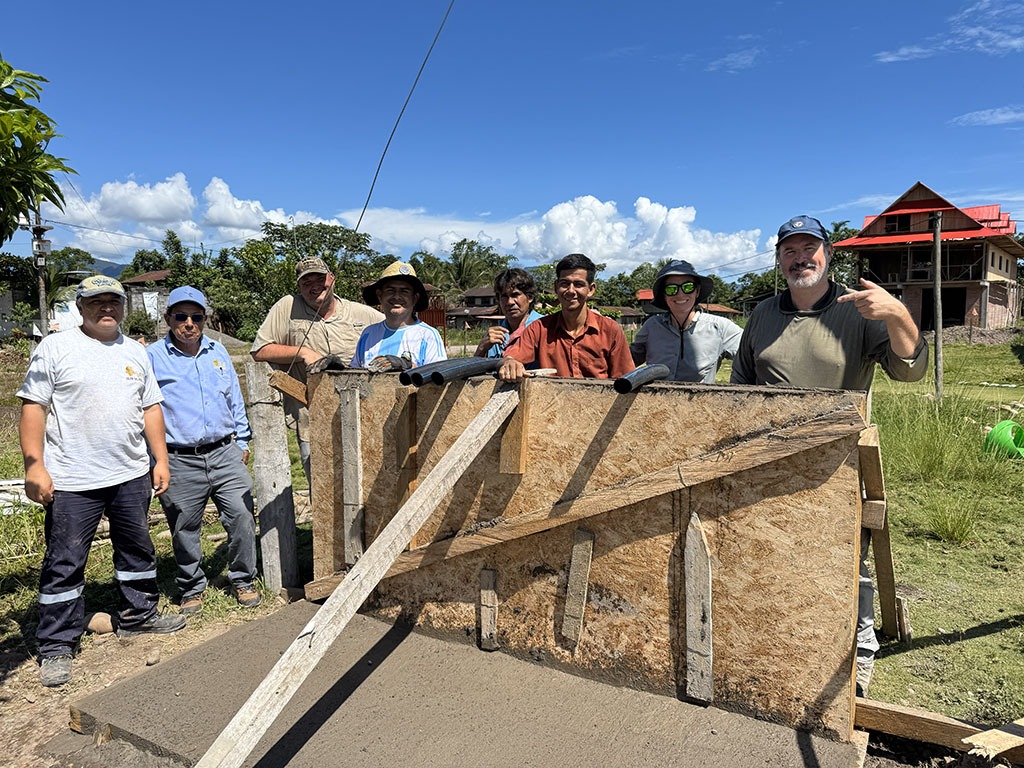
Over the course of the trip, our volunteers installed the majority of a pipeline stretching more than seven kilometers (4.3 miles) across rugged jungle terrain, pulling them into place to prepare for fusions up the mountain . Working alongside the community, our teams constructed the spring catchment at the summit, built the primary reservoir, completed the river crossing and fused thousands of meters of HDPE pipe through some challenging conditions.
We are honest about the fact that the jungle had its own plans. Weather, logistics and the sheer remoteness of Shiringamazú meant that no week went exactly as scripted. Our teams adapted, problem-solved and accomplished as much as the conditions would allow. What remains is the finishing work: the final connections, the pressure-reducing tanks and several supporting structures that will bring the system fully online and deliver running water to the village.
Who Was Involved
The Alliance for PE Pipe sponsored and coordinated this effort with the support of Engineers Without Borders and numerous companies from across the HDPE pipe industry. Engineers Without Borders designed the water system and provided a Spanish-speaking volunteer engineer to serve as the on-site project manager throughout construction.
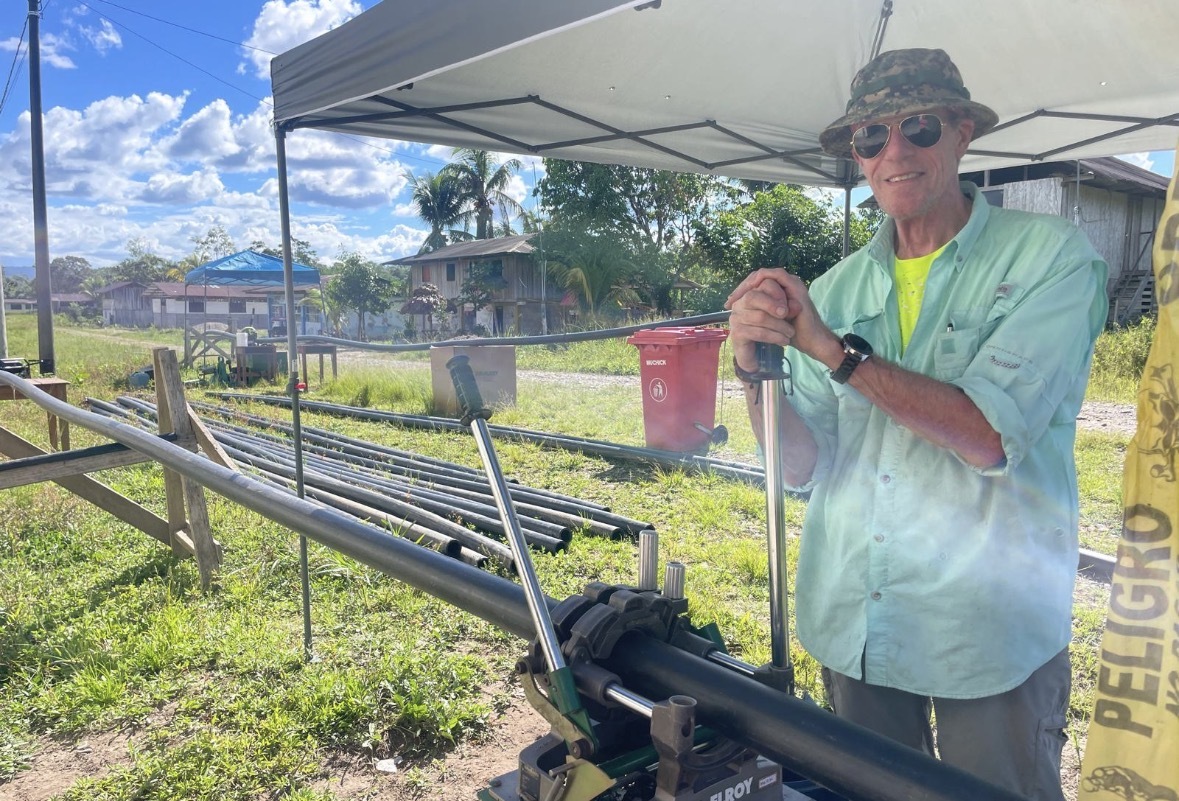
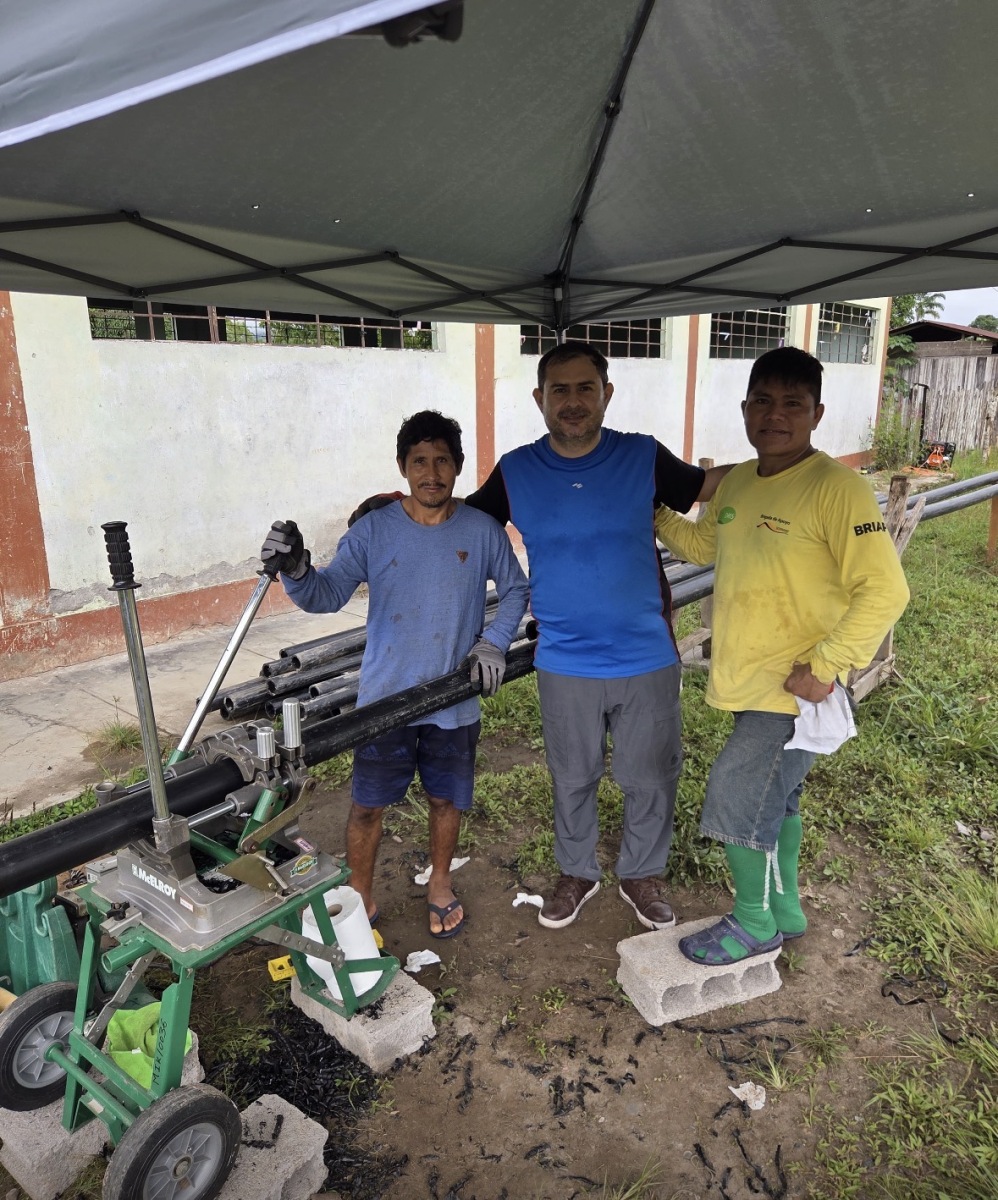
Industry partners responded with extraordinary generosity. WL Plastics donated all seven kilometers of HDPE pipe and prepared the shipping containers for transport to Peru. McElroy contributed both a full-time team member and a McElroy No. 14 fusion machine. Integrity Fusion donated hundreds of fittings and related materials needed to complete the system. SX/EW del Perú S.A.C. supplied two fusion machines to help with the production of the pipelines. ISCO also played a significant role in supporting the project through staff support, freight forwarding assistance, specialized fittings and the provision of a second fusion machine.
In addition, the Alliance for PE Pipe contributed more than $12,000 to the effort, much of it raised through the annual PE Showcase raffle. The project is a remarkable example of what can happen when manufacturers, distributors, engineers and volunteers unite behind a common purpose.
Why This Matters
Three years ago, the Alliance for PE Pipe made a commitment to give back by using the knowledge and technology of our industry to improve lives. Working alongside a retired engineer who believed deeply in the value of HDPE pipe, we began designing a water system for a community that had lived its entire history without clean running water.
Today, that vision is well on its way to becoming reality. The equipment was shipped thousands of miles. The engineering was completed. Volunteers traveled across continents. Teams worked in the jungle every day, side by side with the people of Shiringamazú, to build a system that will serve generations to come.
This project is about far more than pipe. It is about health, education, dignity and opportunity. It is proof of the extraordinary difference our industry can make when it applies its expertise to serve people who need it most.
The Journey Here
Trip #1 – November 2025
The first phase of the project saw Alan Ambler, Peter Dyke and Dusty Langston visit Shiringamazú in November 2025. The initial trip served as a scouting effort to determine whether a clean water project could realistically be completed in this remote Amazon community. The team built a tap stand where schoolchildren can wash their hands and drink fresh water in the front yard of the school. They had also planned to fuse HDPE pipe, but the two shipping containers carrying the materials were delayed and did not arrive until after the team had departed.
Despite the logistical setbacks, the visit proved invaluable. The team met with village leaders, evaluated the terrain, assessed available resources and confirmed that the proposed water system was both technically feasible and strongly supported by the community. Just as importantly, they experienced firsthand the hospitality, enthusiasm and commitment of the villagers, who were eager to work alongside the volunteers.
The scouting trip provided the confidence needed to move forward. With feasibility confirmed and strong local support established, plans were immediately developed for the second mission to begin construction.
Trip #2 – July 2026
Building on that foundation, our teams returned in July 2026 for four weeks of construction, described above. It was the heart of the project and the culmination of years of planning, and while there is still work ahead, the community of Shiringamazú is closer than ever to clean, reliable running water.
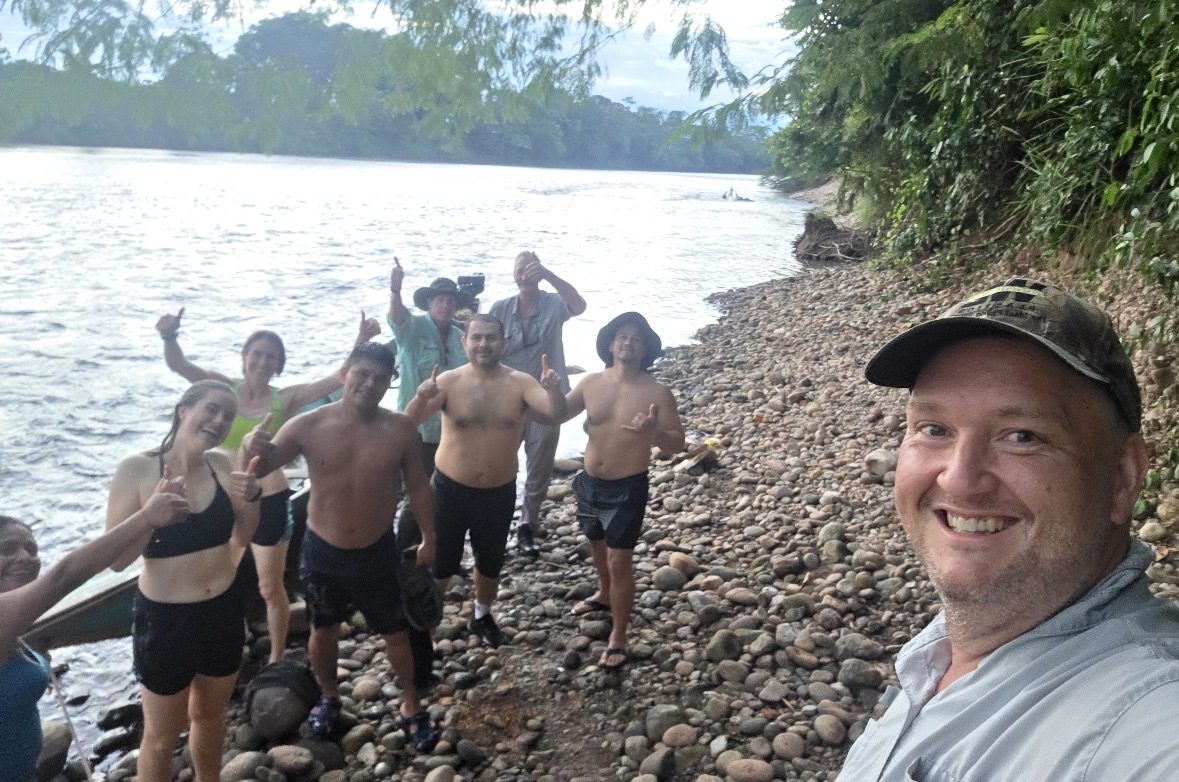
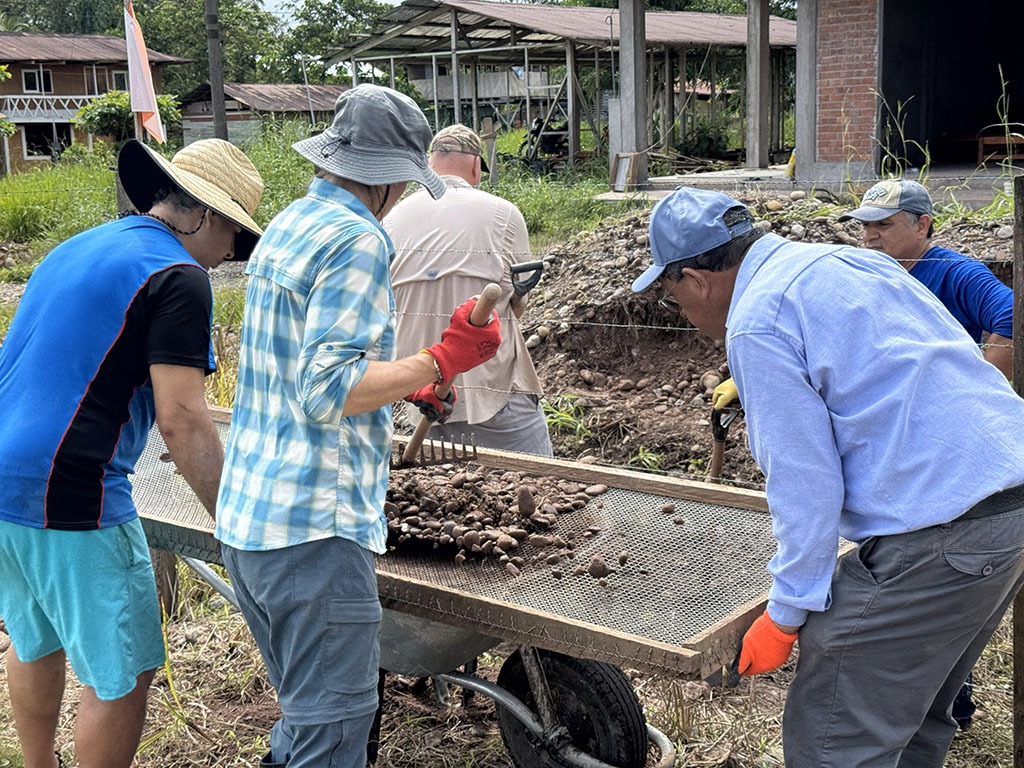
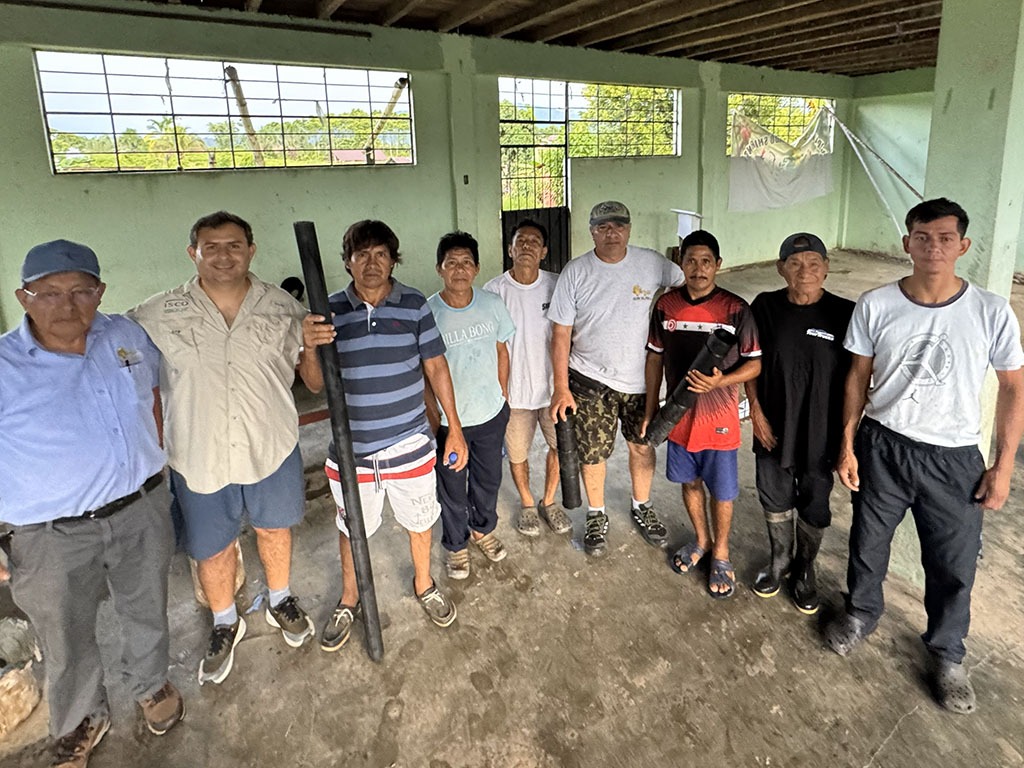
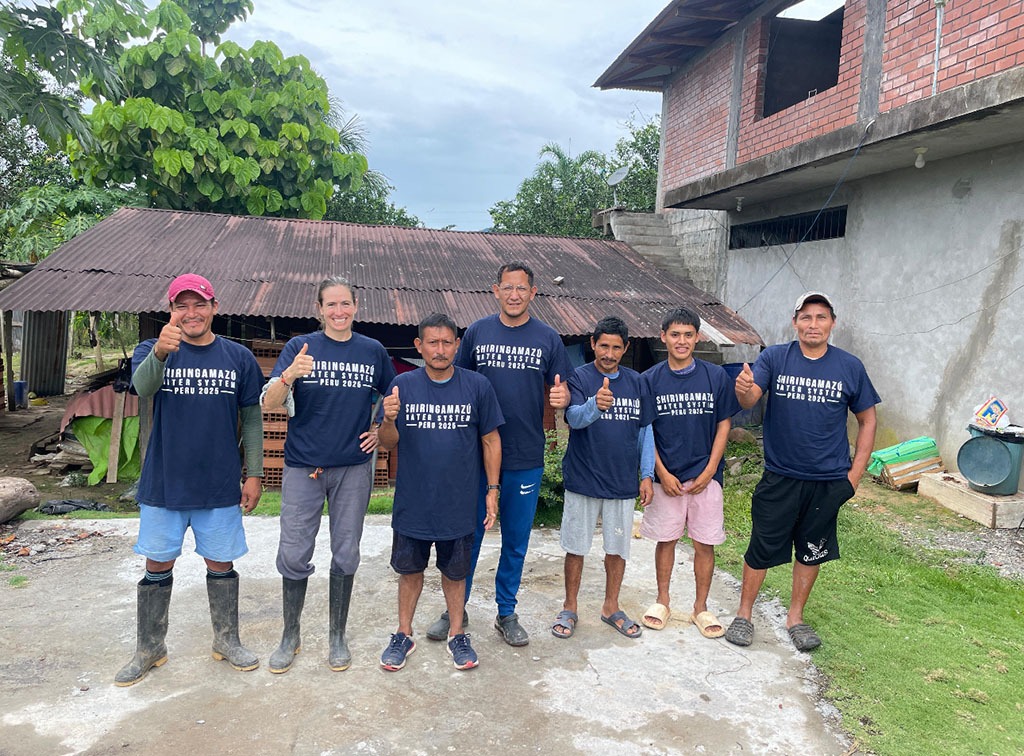
Over the course of four weeks, 24 volunteers from the United States traveled to the community, working alongside local residents to turn years of engineering, fundraising, planning and preparation into a working water system. Volunteers were organized into rotating teams, allowing construction to continue throughout the month while bringing together people with different skills and experience.
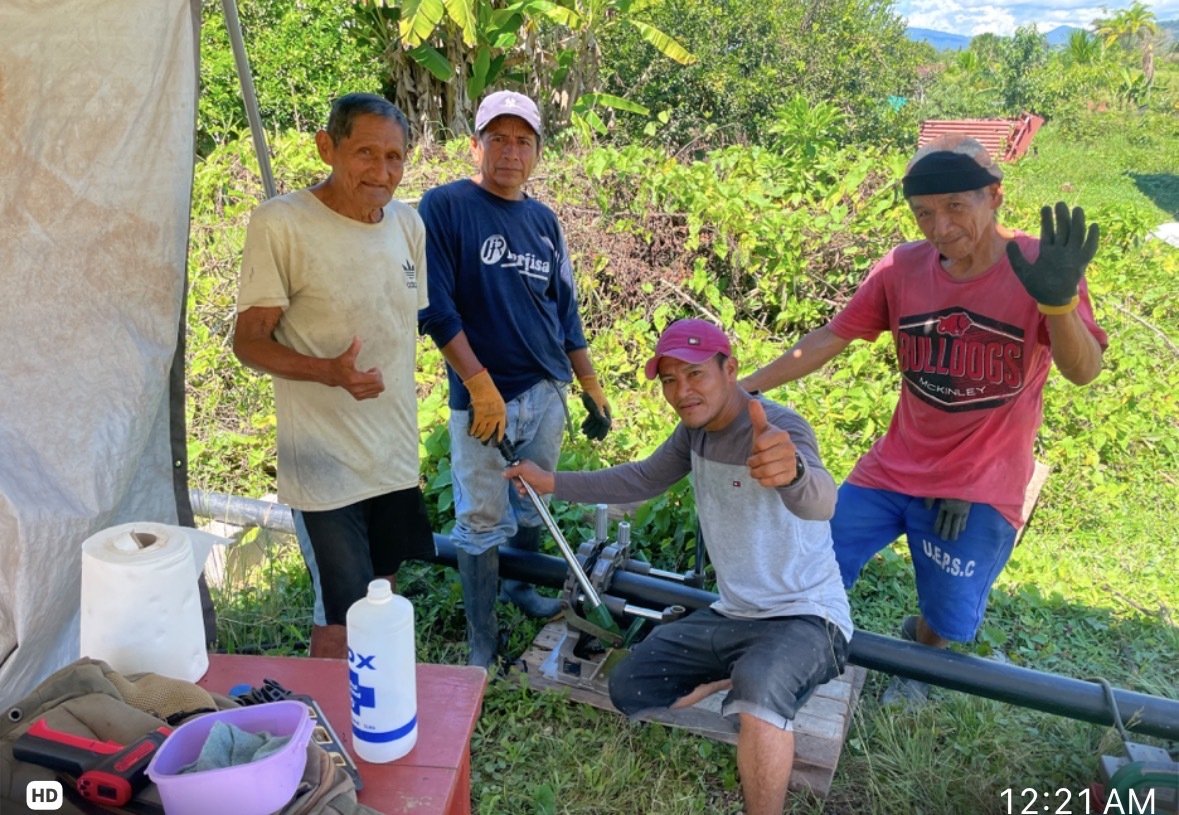
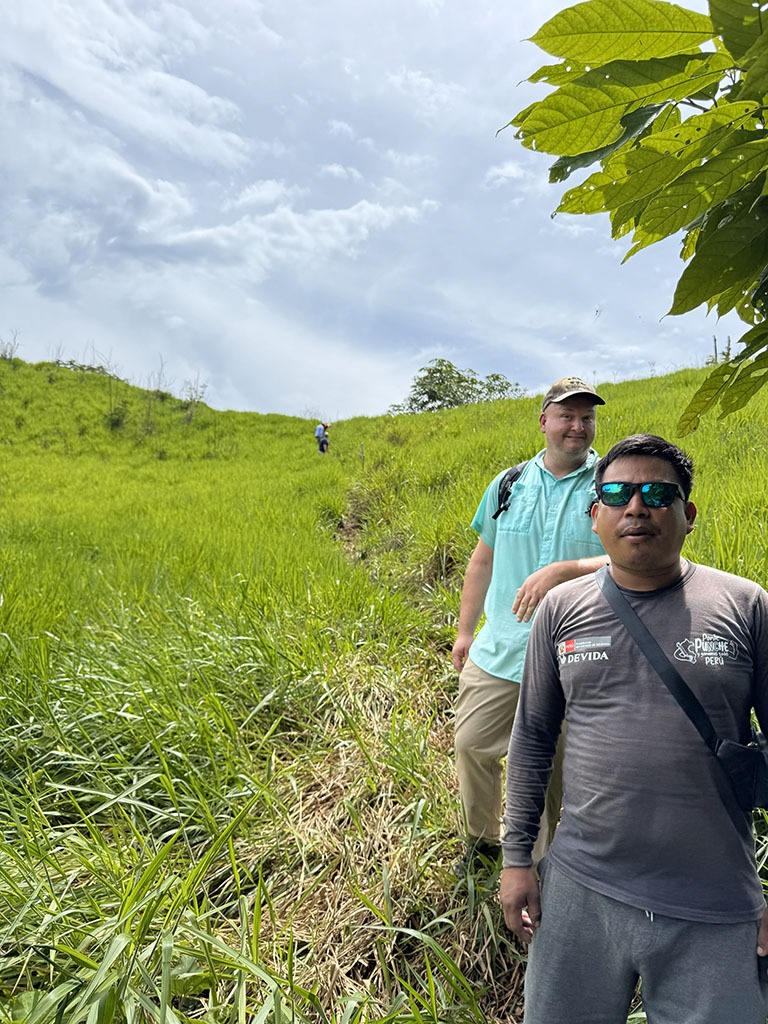
One of the most significant accomplishments was the installation of approximately six kilometers of HDPE pipe through challenging terrain. Crews fused pipe, moved it into position and worked their way from the community into the surrounding mountains. Along the way, ten people were trained in HDPE butt fusion, providing both the project and the community with additional hands-on knowledge needed to complete and maintain the system.
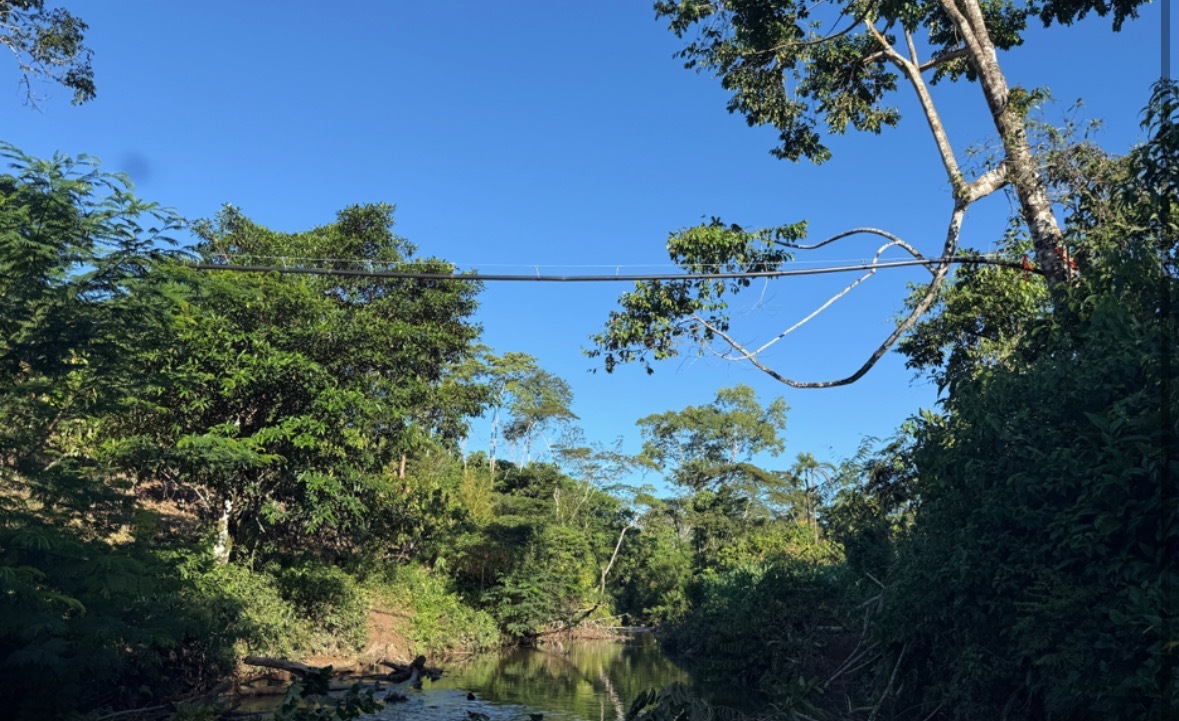
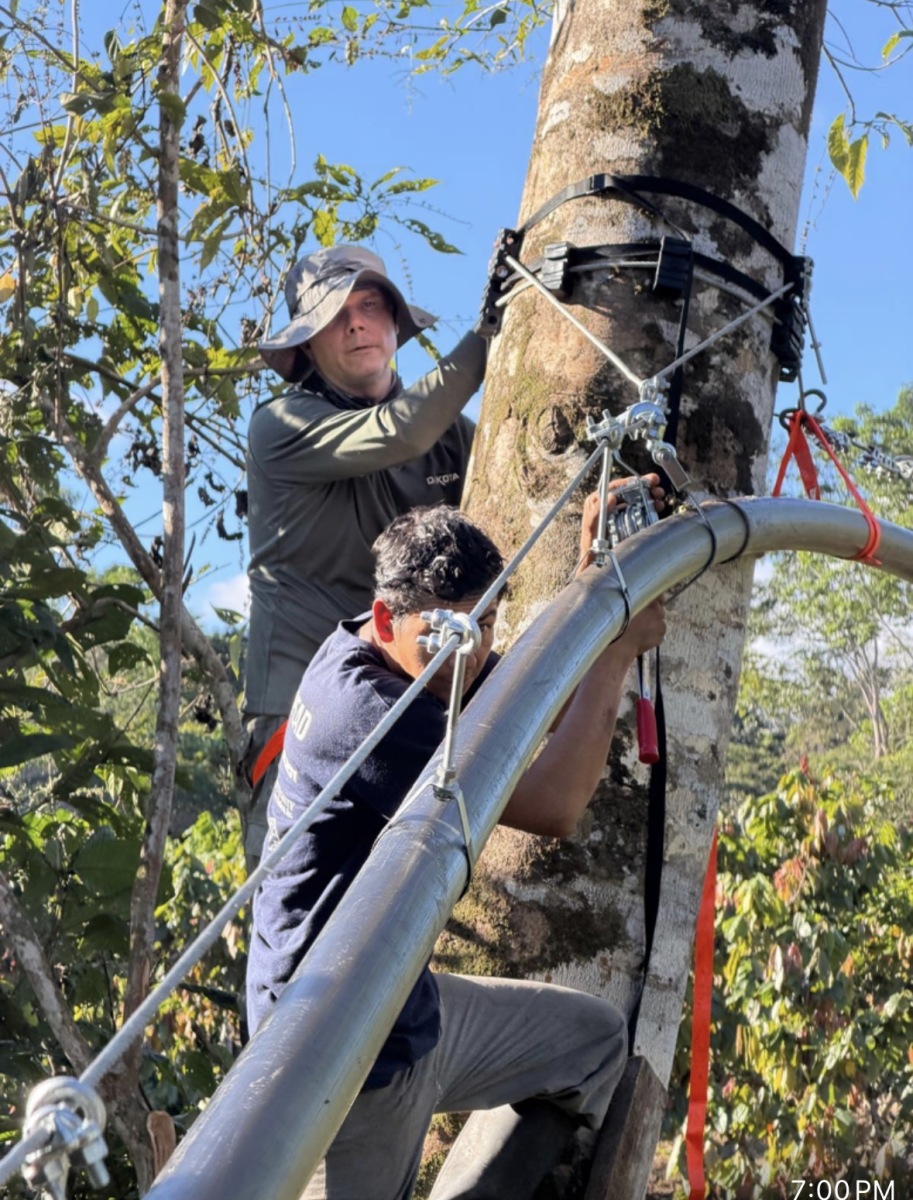
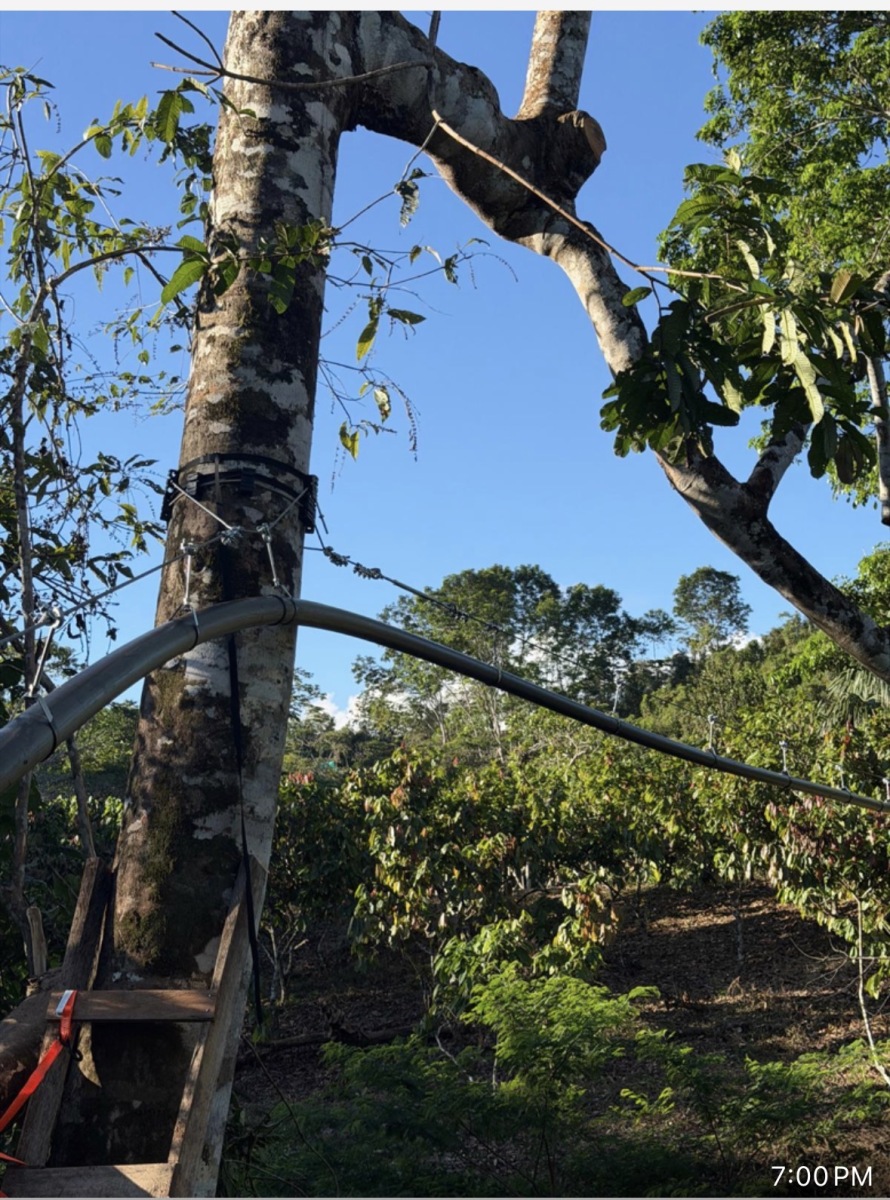
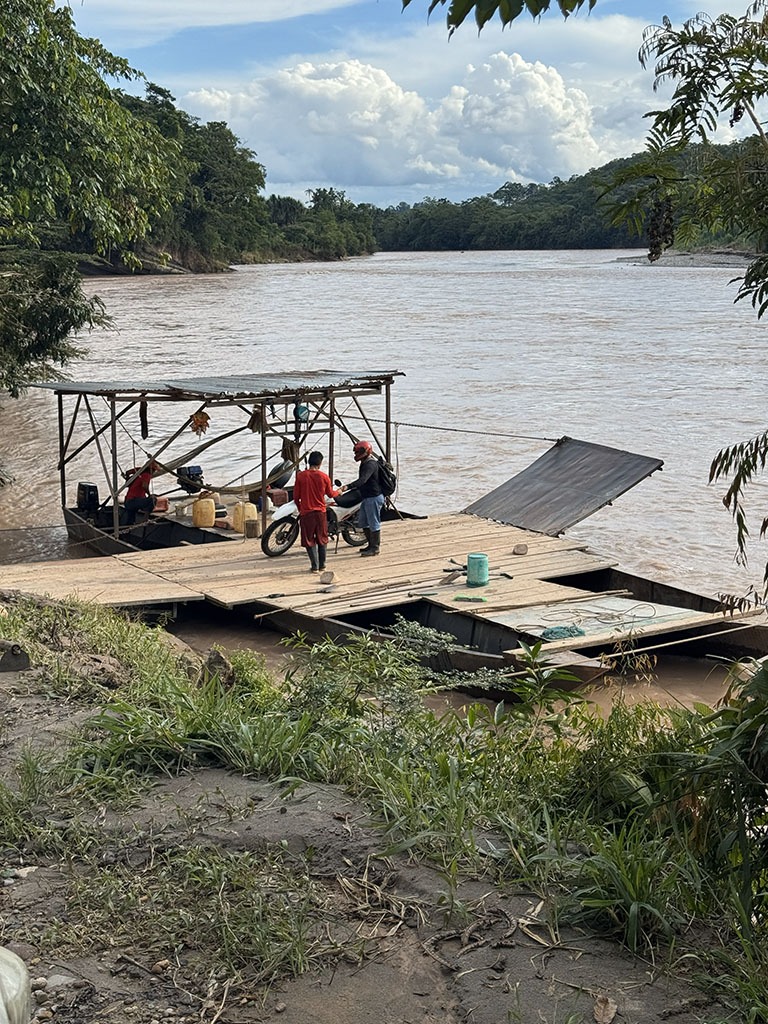
One of the most memorable challenges was the river crossing. Crews fused approximately 100 meters of HDPE pipe into a continuous length, carefully positioned it across the river and suspended it above the water. The installation demonstrated one of HDPE’s greatest advantages: its ability to be fused into long, leak-free lengths and installed in difficult locations.
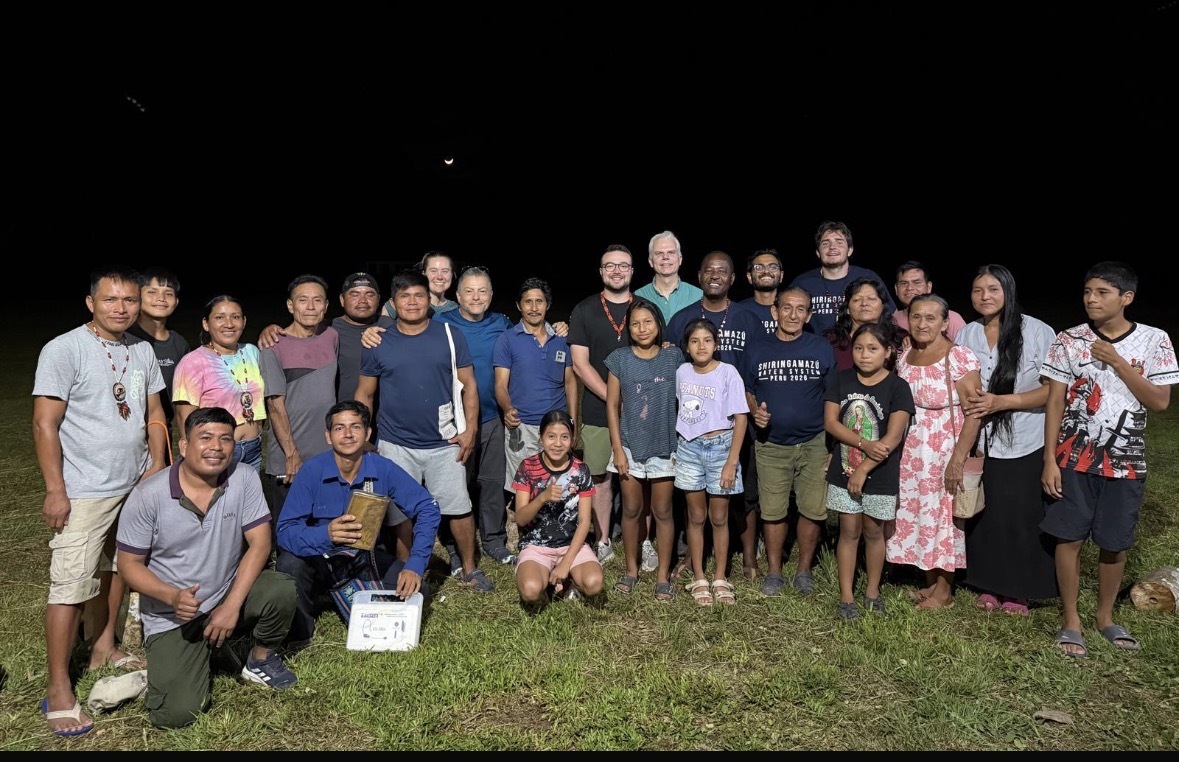
The July effort represented an extraordinary amount of teamwork. American volunteers, local residents, engineers and industry supporters worked side by side under demanding conditions. By the end of the month, six kilometers of pipeline had been installed, critical construction milestones had been reached and Shiringamazú had taken an enormous step toward a dependable water system that will serve the community for generations.
What Comes Next
The final connections, tanks and supporting structures remain and completing them will bring clean water to every home in the village. We are deeply grateful to everyone who has carried this project this far, from the community members who worked shoulder to shoulder with us, to our volunteers, to the industry partners whose generosity made it possible. Together, we are turning an absence of clean water into a future full of possibility for the people of Shiringamazú by providing water.
Reviews
My time in Shiringamazu was one of the most physically demanding and rewarding experiences of my life. I worked alongside local community members to fuse hundreds of meters of pipe for a new water system, pushing through intense heat, rainfall, and long days. Beyond the work, I experienced the beauty of the Amazon and the warmth and gratitude of the community. I returned home exhausted but deeply grateful, knowing our work would make a lasting difference in their lives.
–Andrew Mercer, Mcelroy Manufacturing
The mornings start early, and the days are hot. The overwhelming scope of the project becomes nothing more than what’s the next step, the next task, the next piece, the next fusion. The days blur together with the work. But at the end of the week you see the dwindling pile of pipe, the long strings assembled awaiting pull up the mountain. And it isn’t until you are driving out of the village, yelling goodbye’s out the window to all of the friends you’ve made that you may never see again that it hits you. You are changing these people’s lives forever. Because I know very little Spanish, my conversations were brief, mostly hello’s, goodbye’s and a lot of friendly smiles. But that didn’t keep us from working shoulder to shoulder. Working towards one goal, something that we would consider a human right. The free access to clean water. Even though I was not able to get to know them deeply, I truly love these people. And I love the opportunity that the PE Alliance and this industry gave a small group of us “gringos” to go and help these people, my new friends, my new family.
–Dustin Langeston, WL Plastic
To fulfill and live a life-long dream or goal since grade school, bringing water to those who aren’t fortunate enough to have it. (Helping others) The hospitality and appreciation that was shown, expressed and evidenced by all of the Yanashee people daily, with many joyfully participating with us in the efforts was amazing and inspiring to see. Experiencing the happy and satisfied culture / society of Shringamazu itself in a remote region where there are no Walmarts or grocery stores and most food supplies or even building lumber comes from the jungle, your farm / backyard, the river or other natural resources. The diversity of the flora and fauna in the rainforest environment along with the local and regional geomorphology and geologic environment in general. That was special to a “rockhead”. (Saw Southern Cross)
–Mike Whitehouse, ISCO Industries
Participating in the Engineers Without Borders water project in Shiringamazu, Peru was an experience that exceeded every expectation I had. Working alongside such resilient and inspiring people reminded me that human potential has no limits and that we can go as far as our minds allow us. I left Peru grateful for the relationships we built and the beautiful memories we made.
–Morvaid, Engineer Without Borders
Being part of the project in Shiringamazu was an experience of a lifetime, and I’m filled with immense gratitude for everyone who took part. The community members, my teammates on the ground and all the members of the industry, big or small. The work was hard, no joke about it, and the heat was punishing. But the drive of the community members who worked side by side with us, from ages 10 to 80, from all across the region, made every long day easier. Even with the language barrier, the connection we built with the residents, from breaking bread together to going on excursions, showed the immense hospitality and genuine embrace they had for the project. As the week came to an end, I felt an immense amount of pride in being a small part of something bigger than ourselves. This project is proof that no dream is too big and no place too remote. When a community and an industry come together, we can bring water, and with it the freedom for these children to dream of whatever future they choose.
–George Mayher, The Alliance for PE Pipe